CUSTOM METAL PARTS MANUFACTURER IN CHINA · OEM DRAWING-BASED PROJECTS

QUALITY AND MAINTENANCE

Quality and Maintenance: decisions before production.

Use these articles to identify the engineering and sourcing information that should be settled before a process, tool, finish, quality plan, or delivery condition is assumed.

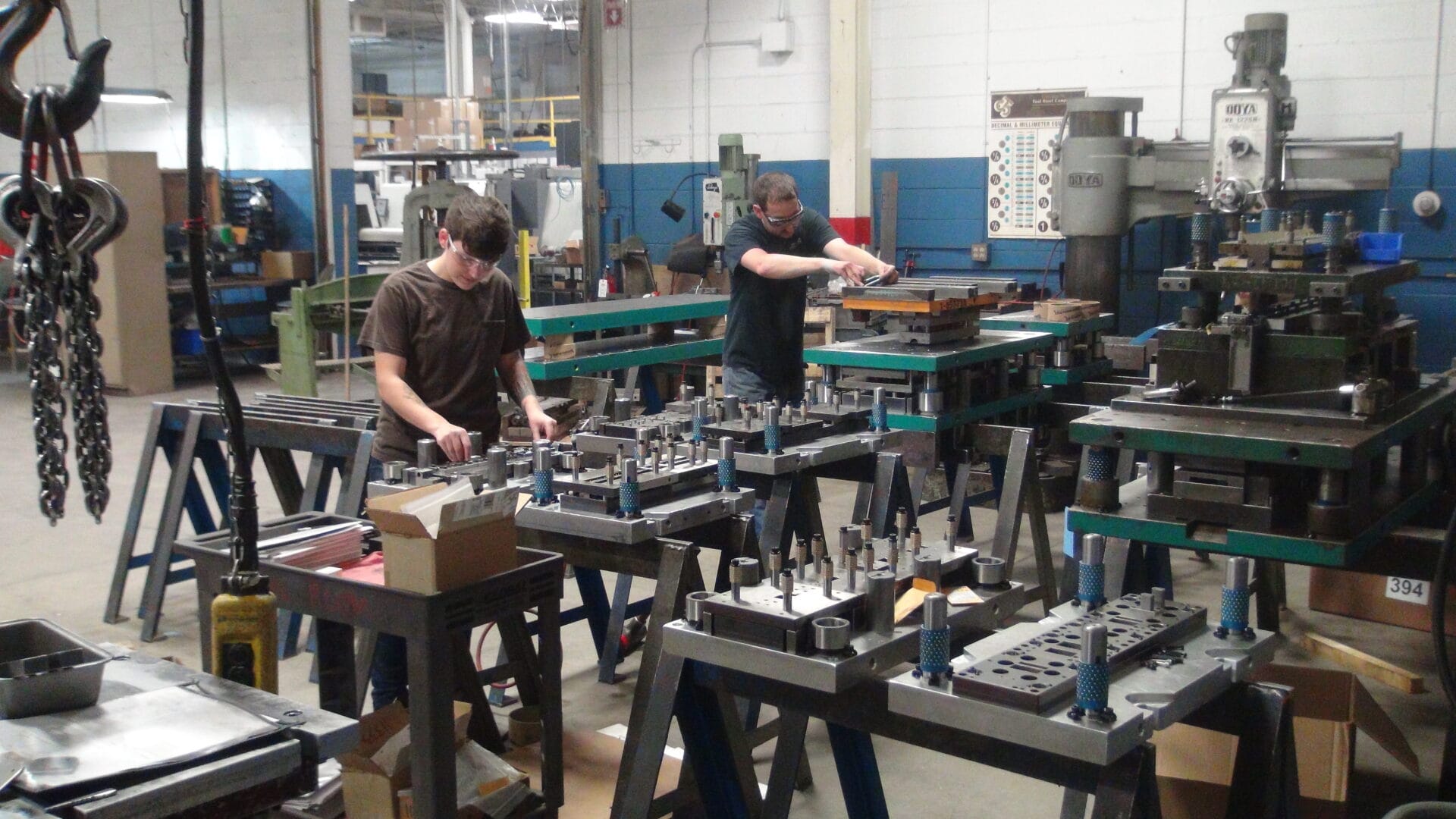
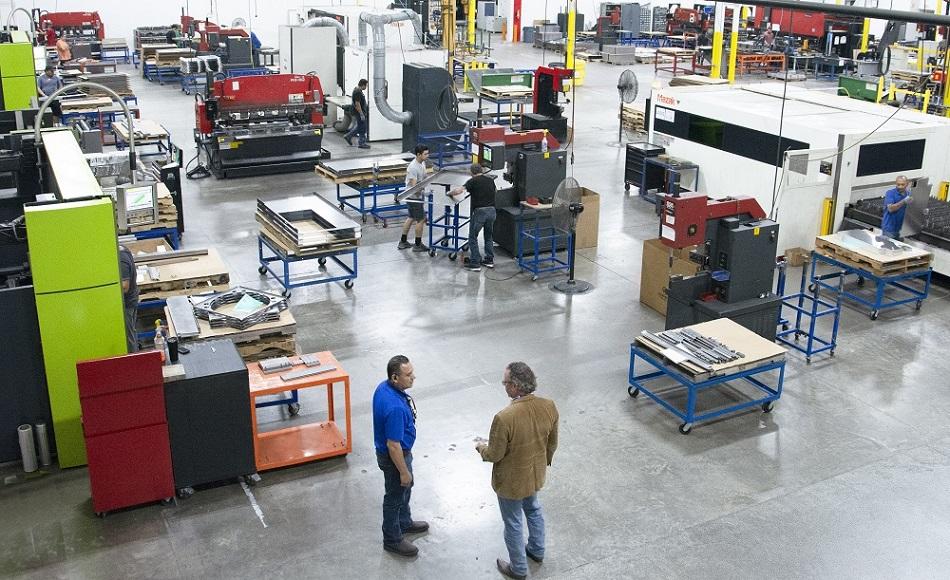
Toolmakers maintaining stamping die components on benches in a production workshop
Quality and Maintenance

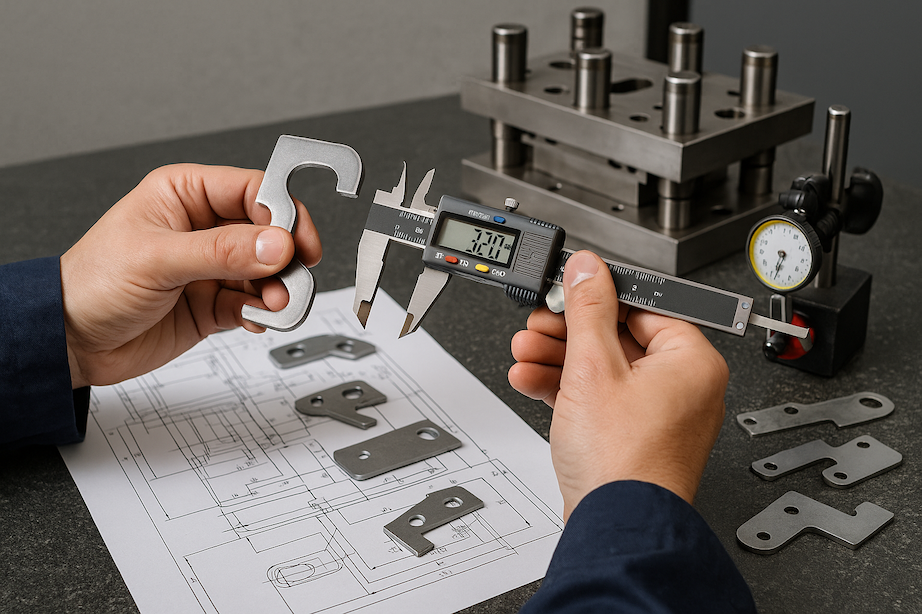
First Article Inspection for Custom Metal Parts: Planning, Execution, and Documentation

A disciplined first article inspection turns a custom metal-part drawing into measurable evidence. This guide explains how OEM buyers and engineers should define inspection scope, align measurement methods, review material and process records, handle deviations, and build documentation that supports confident production release without confusing a one-time approval with ongoing process control.

8 min readRead guide
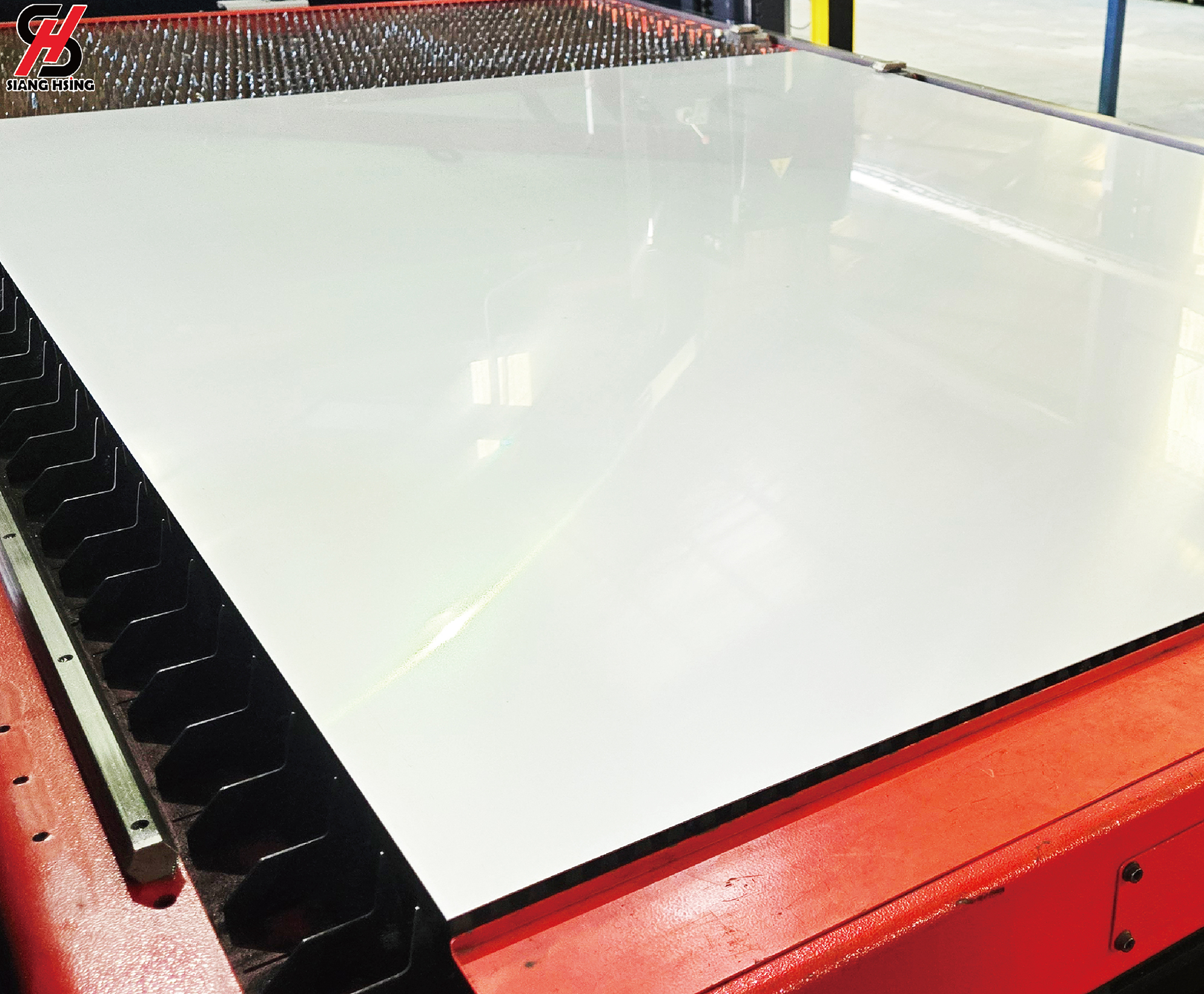
Sheet metal incoming quality-control inspection photograph showing a large reflective metal sheet on a factory inspection table
Quality and Maintenance

Incoming Material Inspection: What to Check Before Production Starts

A disciplined incoming-material inspection plan helps OEM teams prevent hidden defects, protect downstream processes, and make supplier decisions with evidence. This guide explains how to verify identity, condition, dimensions, certificates, traceability, and risk-based sampling before custom metal parts enter production, while showing where inspection effort should increase and where unnecessary checks can add cost without improving quality.

8 min readRead guide
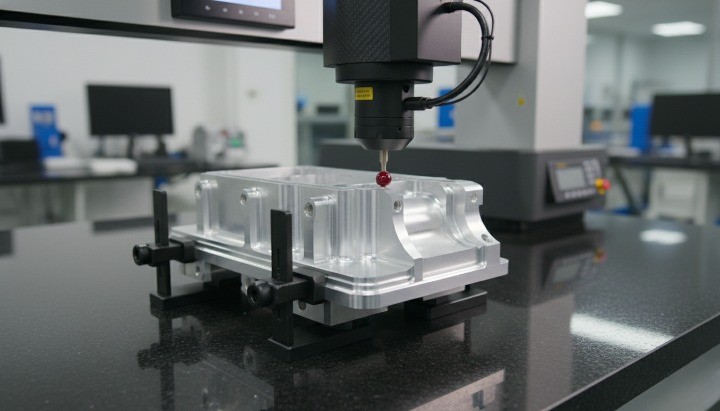
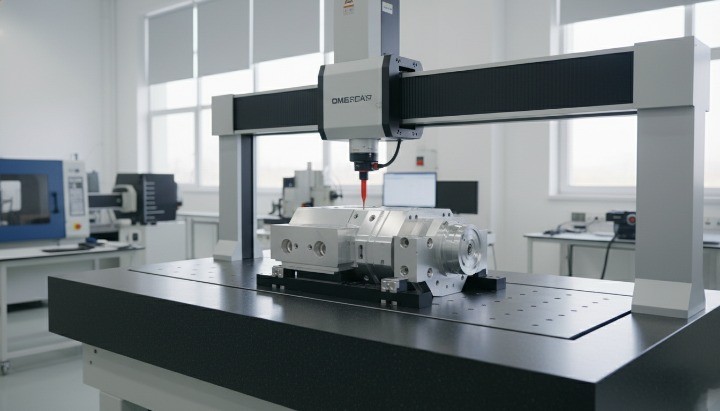
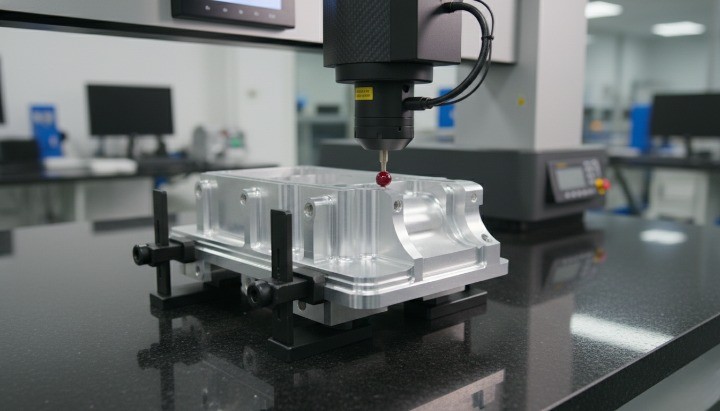
Coordinate measuring machine in a manufacturing quality-control room for inspecting precision components
Quality and Maintenance

Supplier Quality Agreements for OEM Metal Parts: What to Include and How to Enforce

A supplier quality agreement turns expectations for custom metal parts into measurable controls, records, and escalation paths. This guide helps OEM buyers and engineers define drawing ownership, process approval, inspection evidence, change notification, nonconformance handling, traceability, and practical enforcement without creating requirements a supplier cannot consistently operate.

7 min readRead guide