Drawing Review
Review the current PDF or 3D file, revision, material status, quantity, application, finish, and the features that matter to the assembly.
CUSTOM OEM MANUFACTURING · CHINA
Precision stamping, CNC machining, laser cutting, welding, plastic injection and assembly for OEM applications. Send a drawing, model, material requirement, quantity, and delivery target to start a project-specific manufacturing discussion.
CUSTOM MANUFACTURING CAPABILITIES
Each route begins with customer information: the drawing or model, material and thickness, program stage, estimated quantity, functional interfaces, surface requirement, delivery target, and open engineering questions.
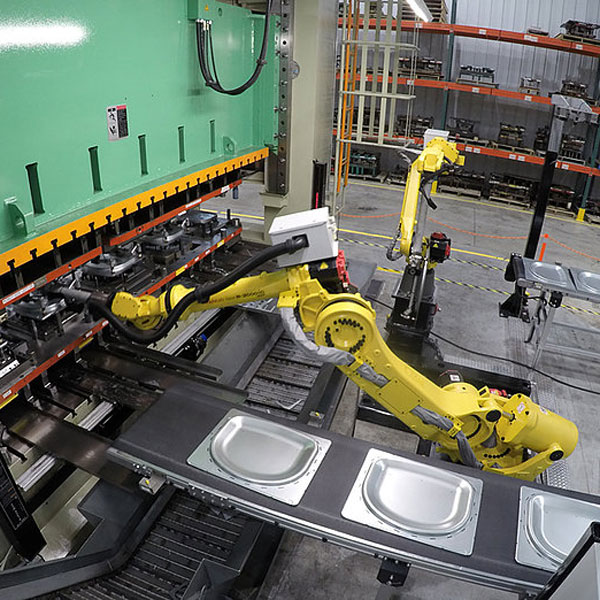
Metal Forming
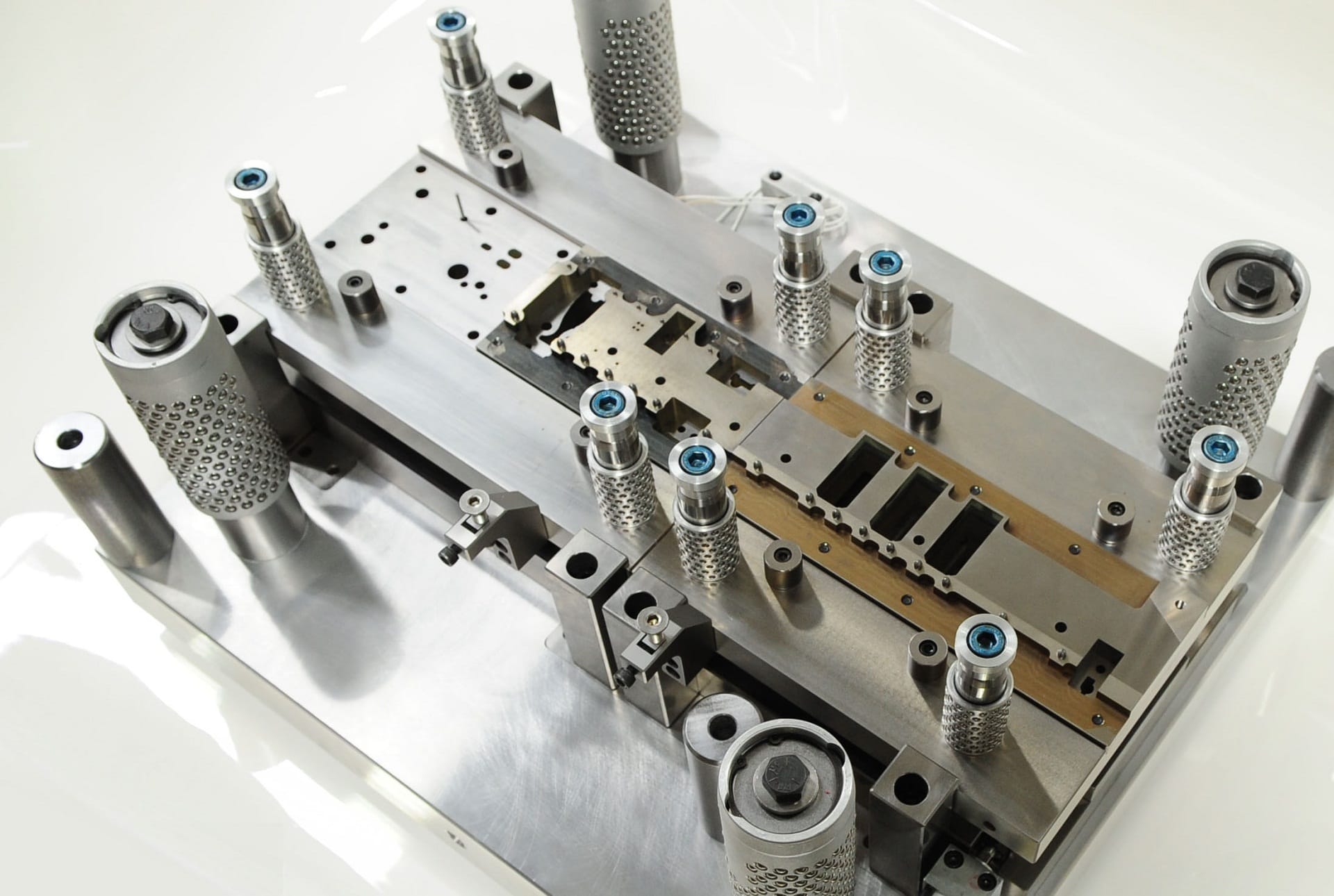
Metal Forming
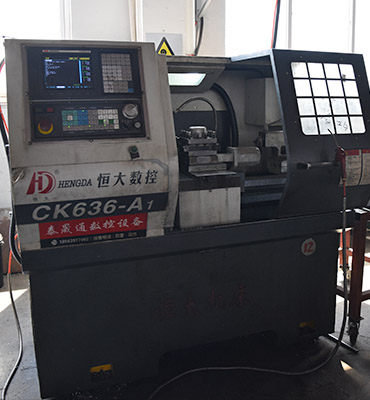
Precision Manufacturing
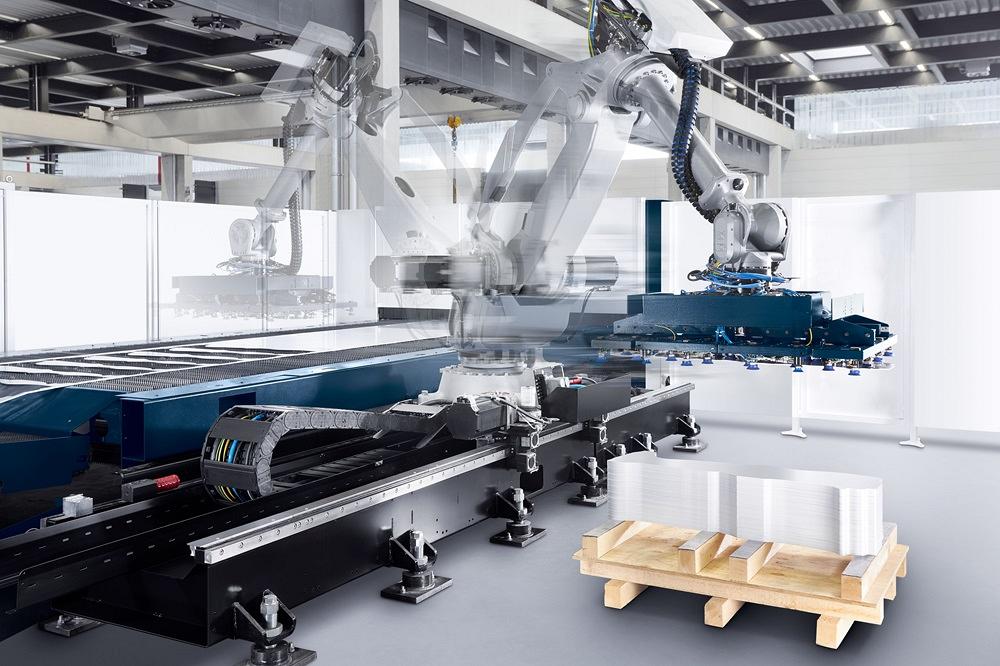
Metal Fabrication
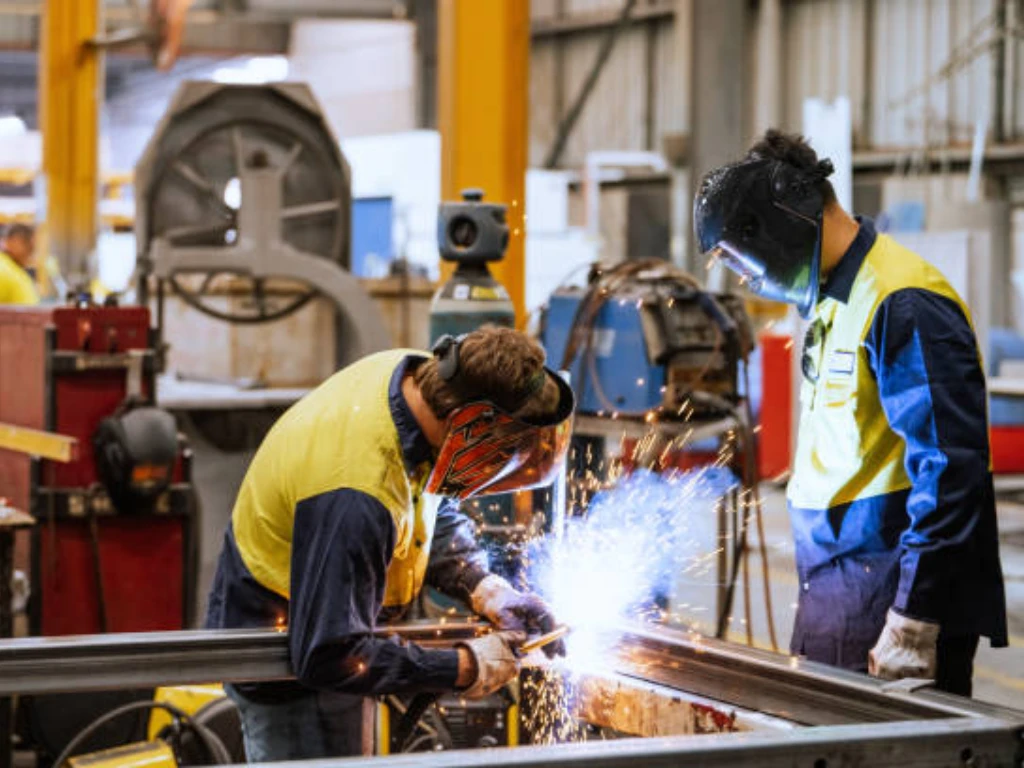
Metal Fabrication
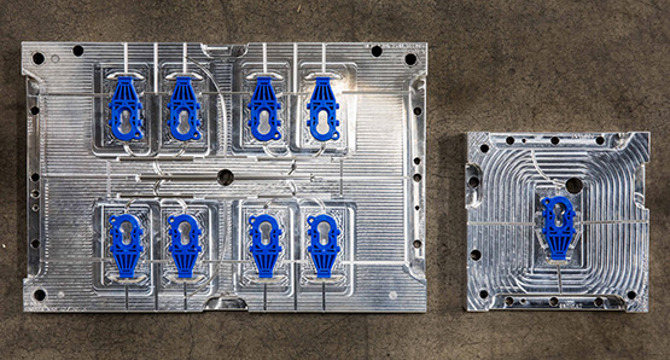
Other Manufacturing
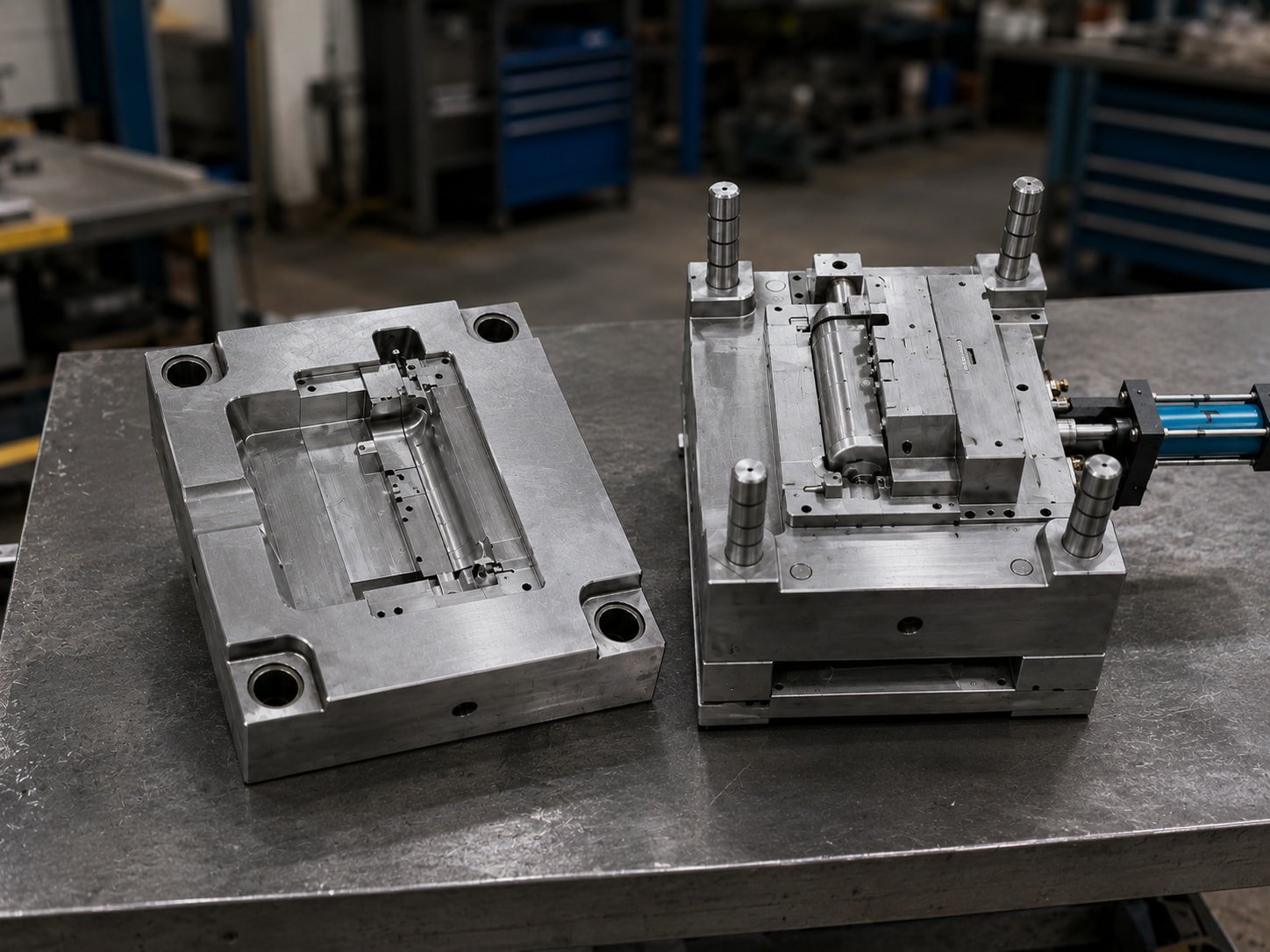
Other Manufacturing
CUSTOM METAL PARTS FOR OEM APPLICATIONS
The gallery introduces product categories with meaningful manufacturing context. Move from a familiar part type to the engineering, materials, process, quality, and RFQ information that supports a custom project.
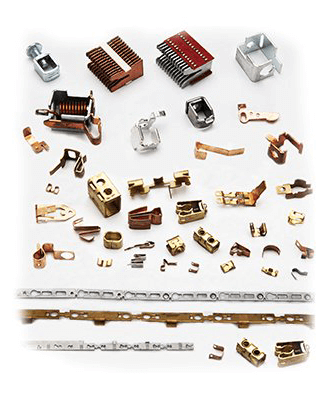
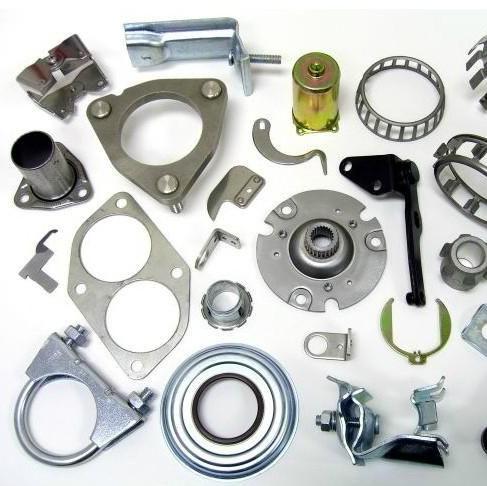
Build-to-print stamped components for OEM assemblies, from flat blanks and pierced parts to formed hardware and finished interfaces.
View category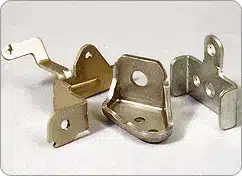
Custom mounting, reinforcement, alignment, and interface brackets designed from customer drawings and installation context.
View category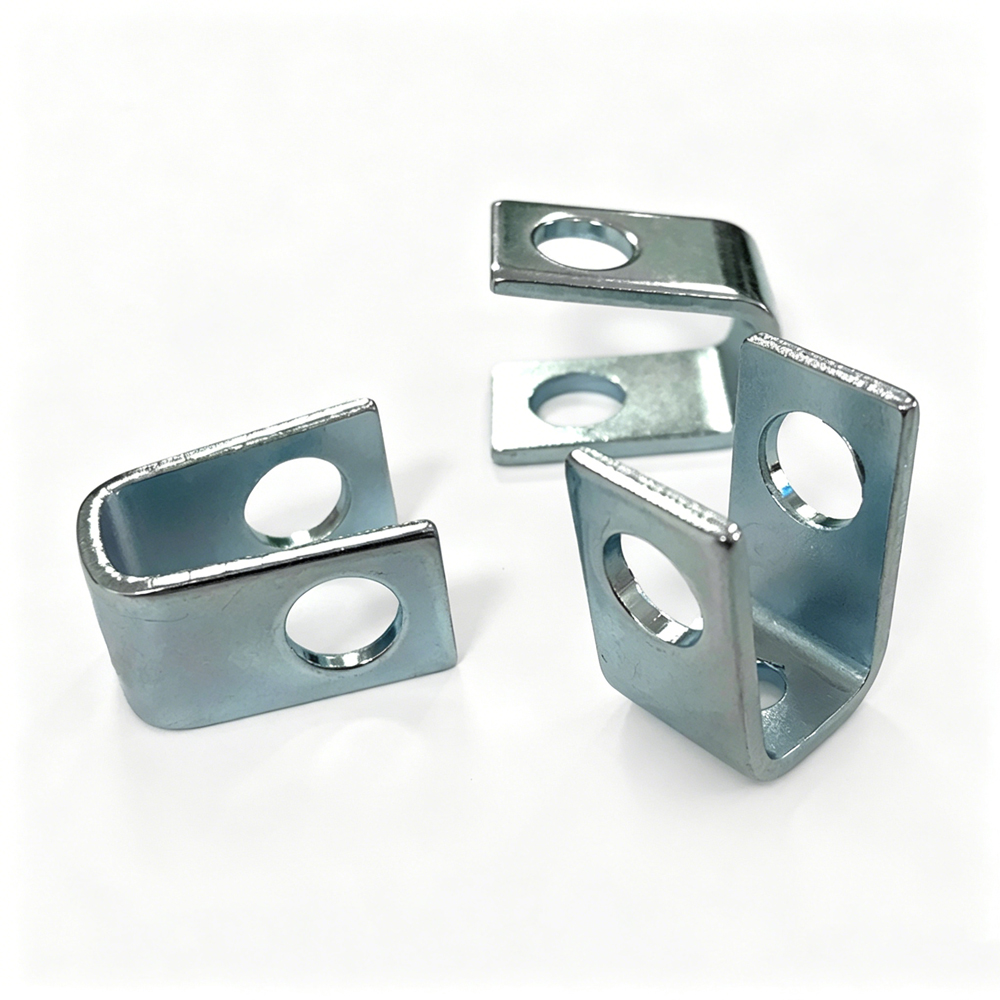
Retention, snap-fit, cable-management, panel-attachment, and spring-form clips designed around installation and release behavior.
View category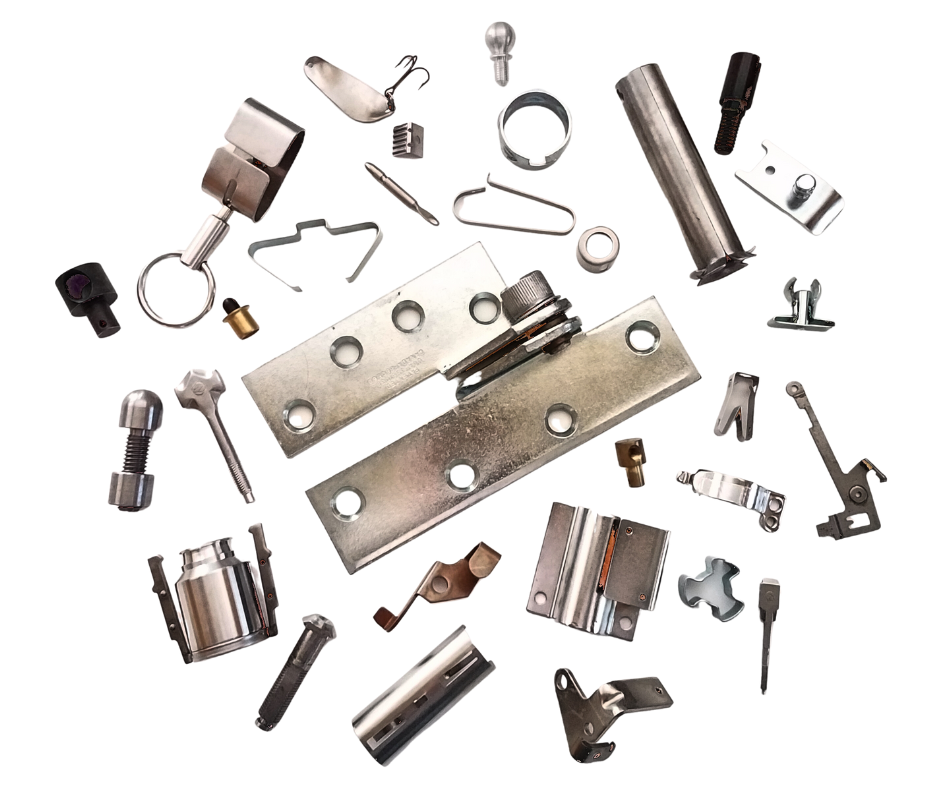
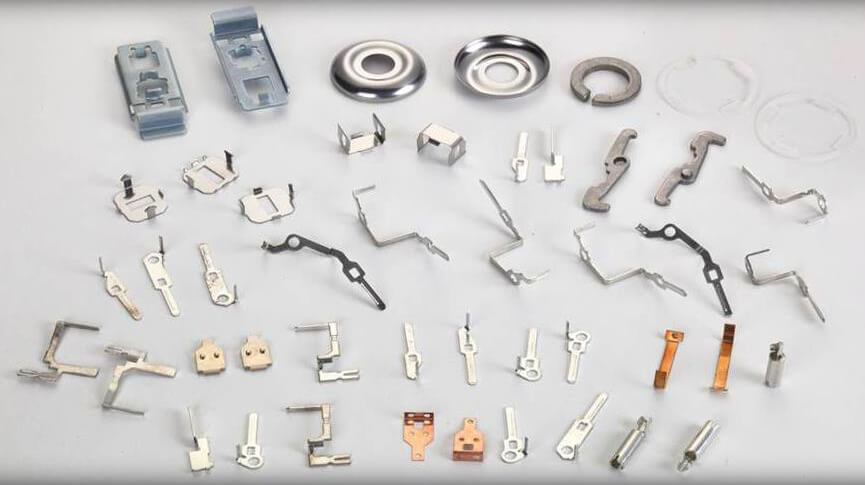
Stamped conductive and retention-related terminal components discussed in the context of mating, finish, material, and electrical assembly requirements.
View category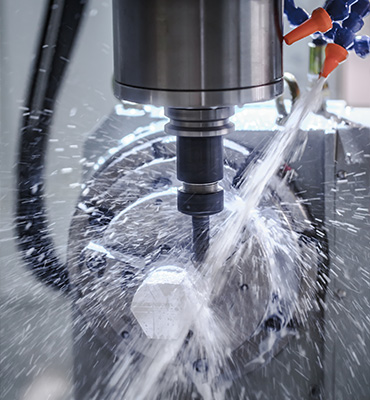
Custom connector shells, retention features, conductive supports, and metal interface parts for electrical and equipment assemblies.
View category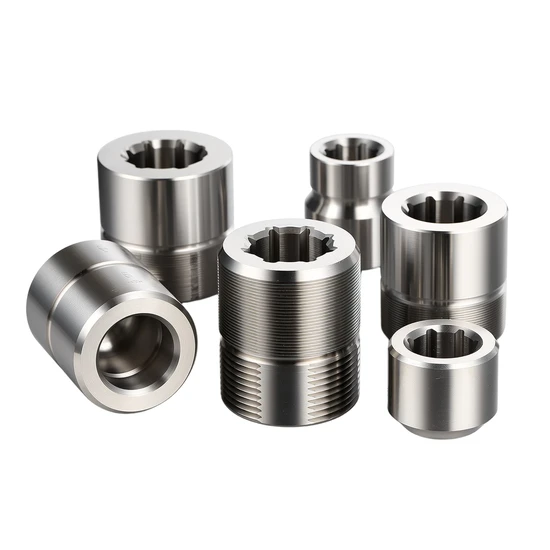
Custom metal fixtures and locating components built around repeatable interfaces, access, and the operational requirement supplied by the customer.
View category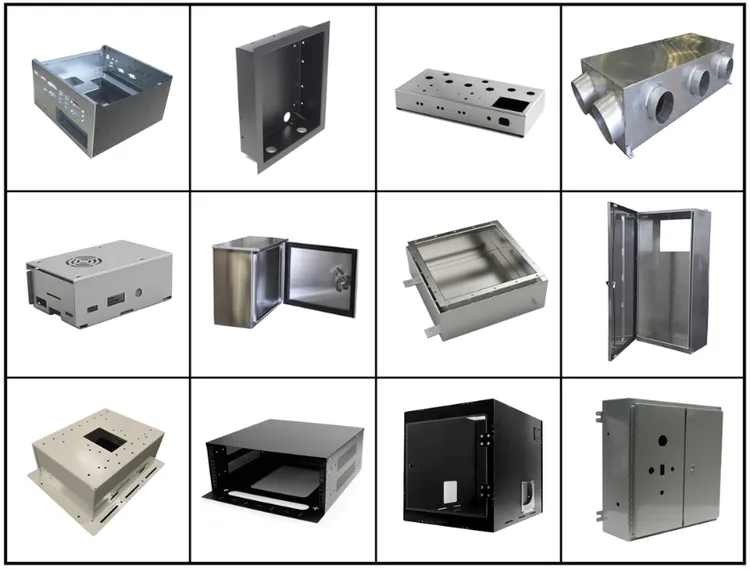
Cut, formed, fabricated, and completed sheet-metal parts organized around actual assembly interfaces and delivery condition.
View category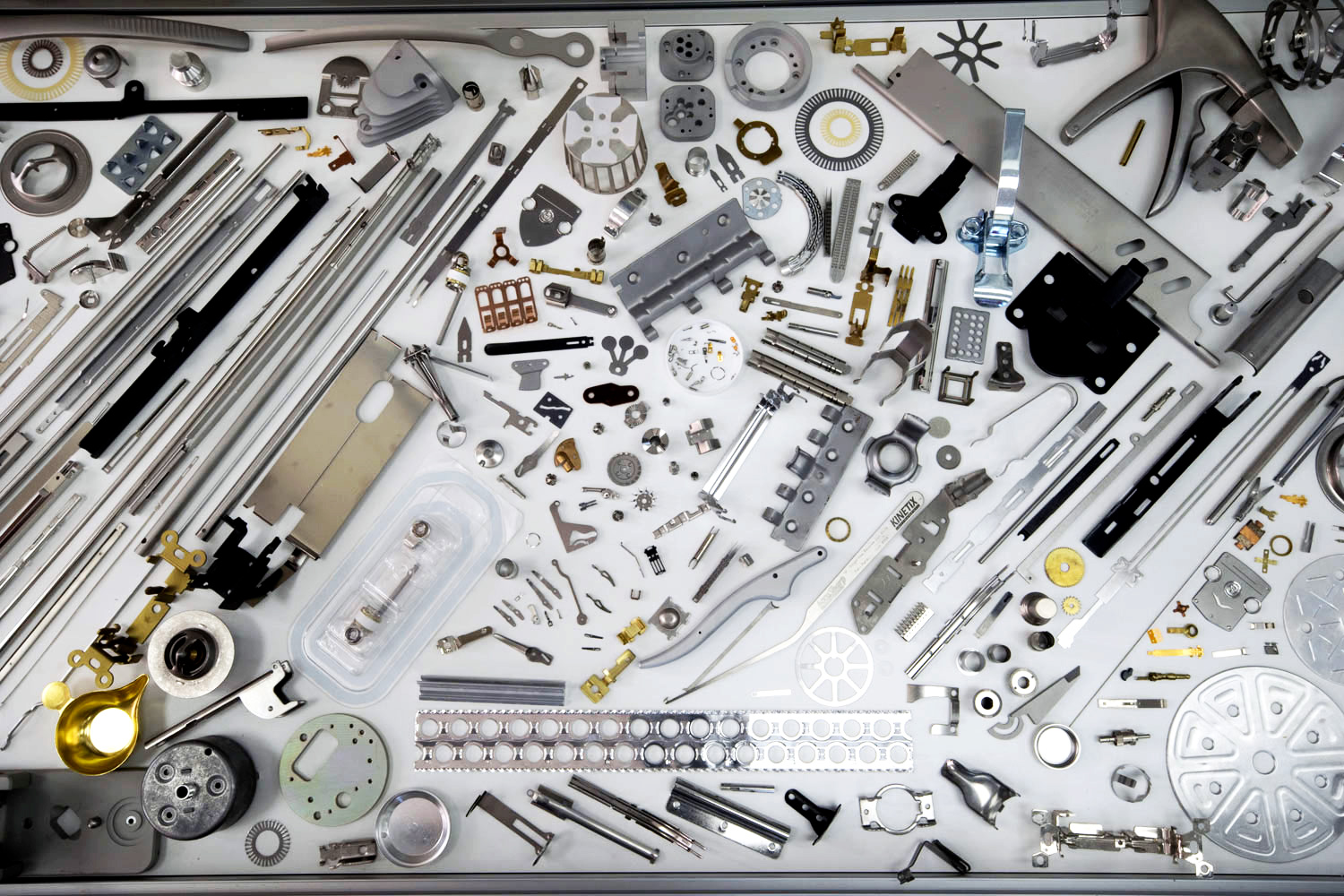
Build-to-print machined components and interface-critical parts for OEM projects requiring programmed cutting, drilling, threading, or finished geometry.
View category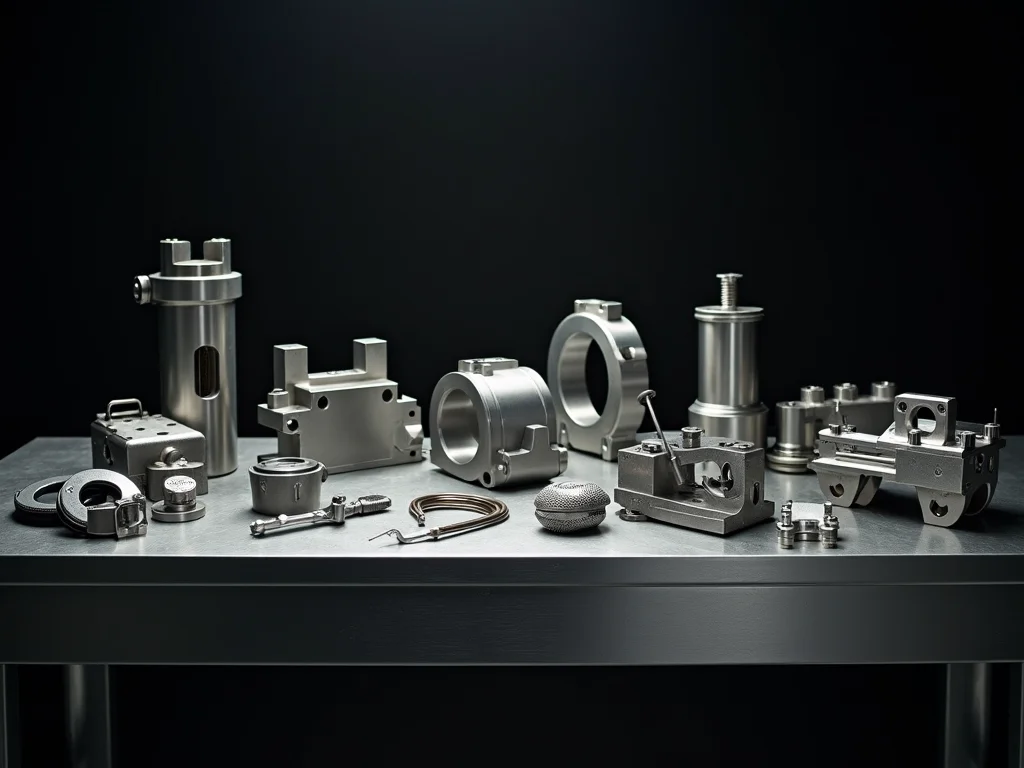
Custom joined metal assemblies coordinated from component preparation through fixture-based joining, finishing, inspection, and packing.
View category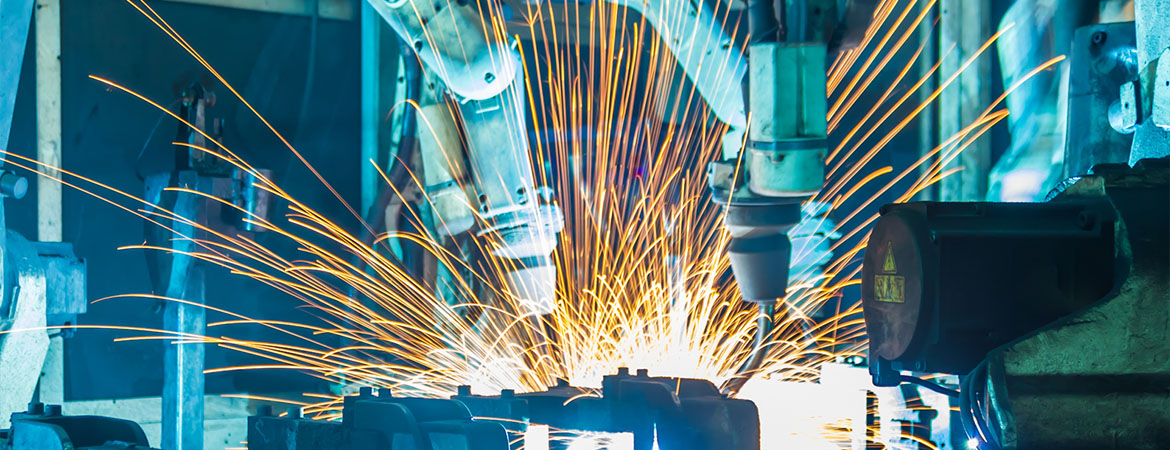
Custom molded parts included in an OEM sourcing route for projects that combine plastic components, metal components, and assembled delivery.
View categoryMANUFACTURING FOR MULTIPLE INDUSTRIES
Industry pages are structured around typical component roles, materials, process choices, quality questions, relevant product categories, and drawing inputs—not unsupported compliance or performance claims.
INDUSTRY
INDUSTRY
INDUSTRY
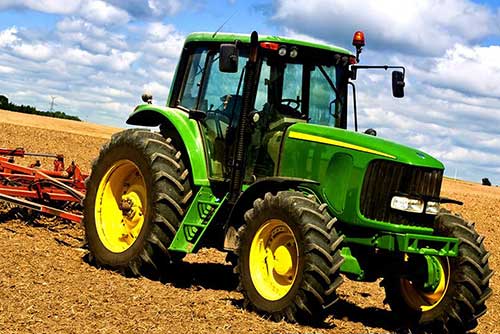
INDUSTRY
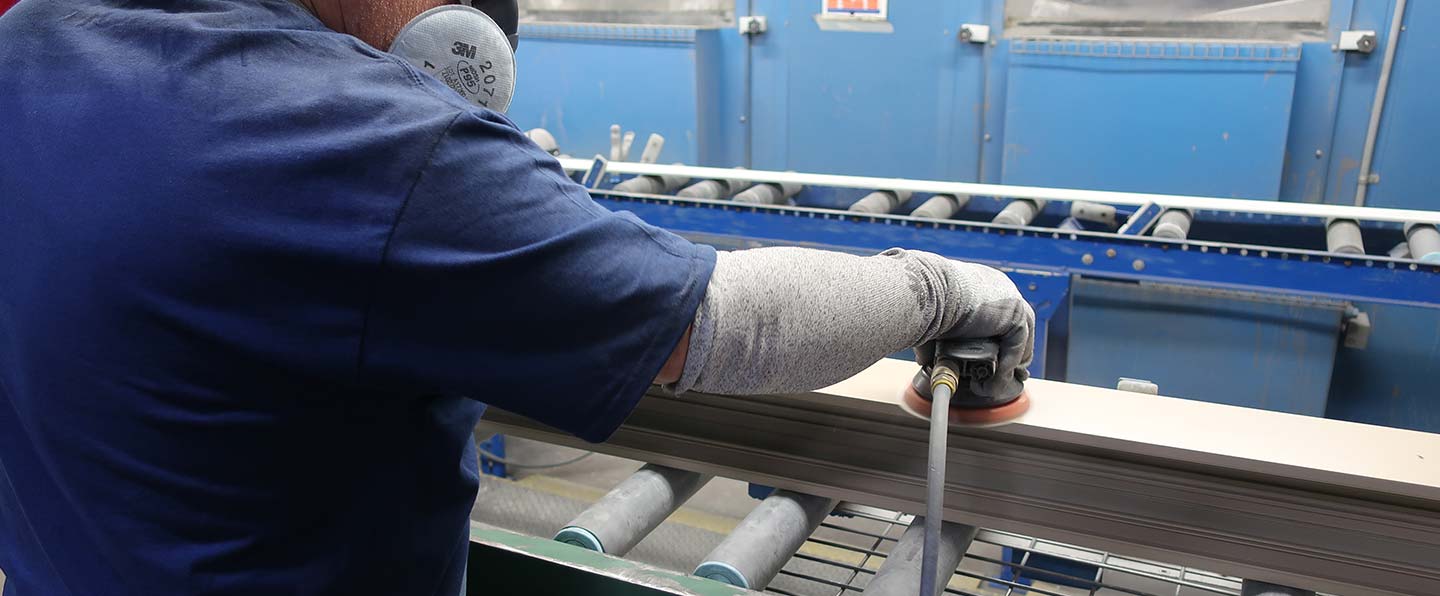
INDUSTRY
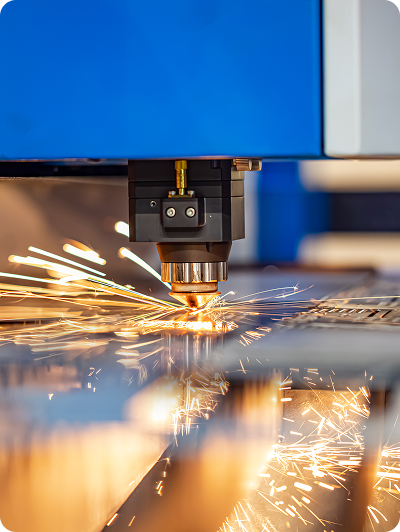
INDUSTRY
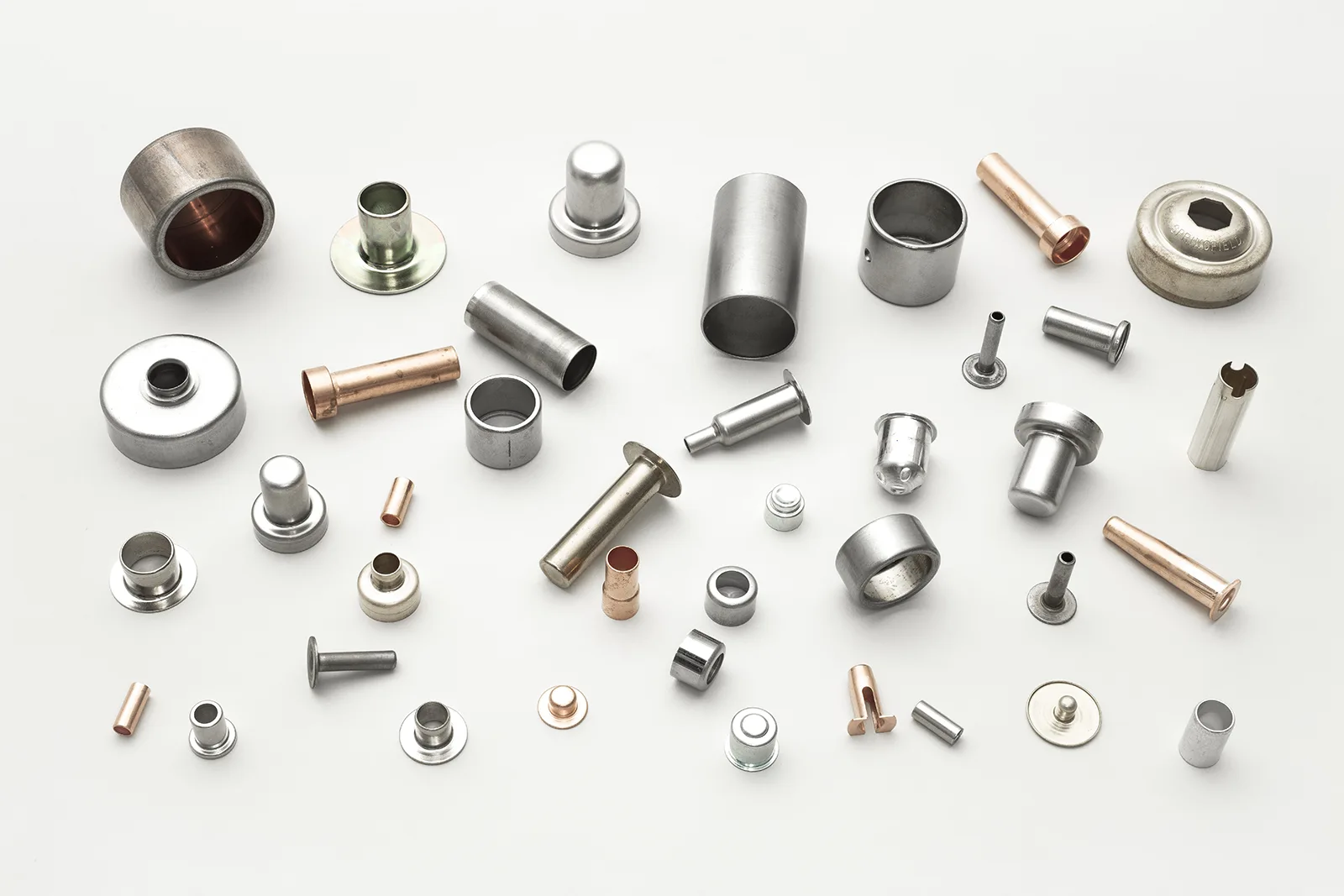
INDUSTRY
FROM DRAWING TO PRODUCTION
A custom project becomes easier to quote and manage when engineering, tooling, production, quality, and delivery are discussed as connected decisions.
Review the current PDF or 3D file, revision, material status, quantity, application, finish, and the features that matter to the assembly.
Map the part into a manufacturing route: datums, forming sequence, material behavior, interfaces, secondary work, quality checks, and packing condition.
Select and develop the required tool, die, fixture, program, or process preparation according to the part geometry and program stage.
Use first output to review the supplied drawing requirements, functional surfaces, produced features, and questions that should be resolved before release.
Run the defined manufacturing sequence with in-process attention on characteristics affected by material, forming, machining, joining, or handling.
Check incoming condition, first article output, in-process features, completed part condition, and the records agreed for the individual project.
Protect geometry, finish, count, labels, and documentation so the component reaches the customer in an agreed usable condition.
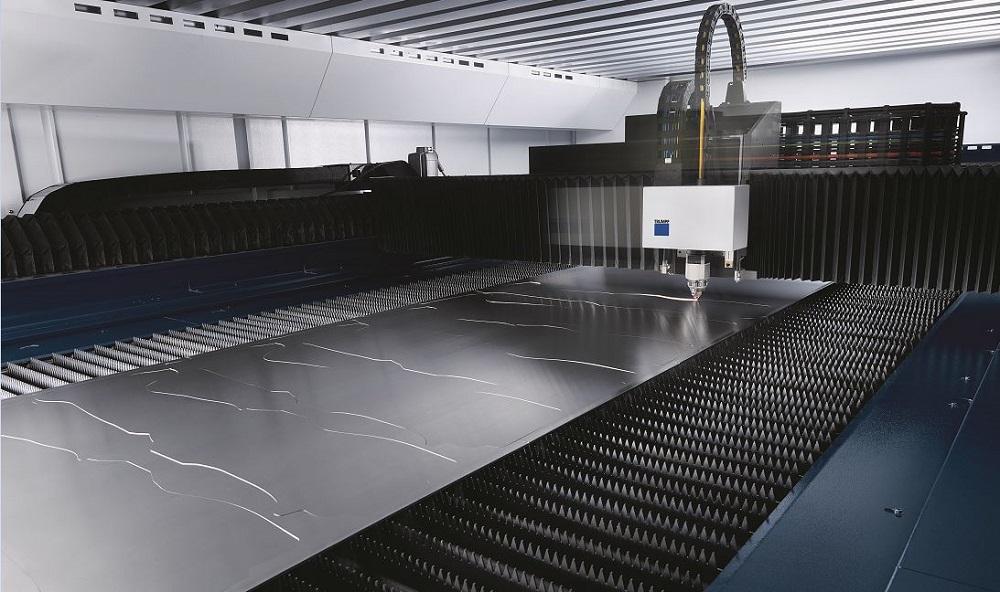
Start with the latest file and state the information currently available. The drawing review identifies material and geometry questions; engineering analysis connects features to a practical process route; the production plan defines where tools, fixtures, programming, inspection, and completion work are needed. First output gives the project a point to review drawn requirements and unresolved details. Production and final release then depend on the controls, documents, part protection, labels, counts, and shipping condition agreed for that individual program.
The purpose is not to promise a one-size-fits-all workflow. It is to make the decision points visible early enough that a purchasing team and an engineering team can discuss the same facts, including any information that remains open.
Start with a drawing reviewQUALITY CONTROL
Quality content is only useful when it maps to the operation that created a feature and the project requirement that defines acceptance. The discussion begins at RFQ, when the drawing, key interfaces, material records, reporting needs, finish, labels, and receiving condition can be identified.
Review material identity, condition, and customer-provided project information before it enters the manufacturing route.
Review initial output against the supplied drawing and the project-specific characteristics identified for the part.
Focus on feature relationships influenced by forming, machining, joining, secondary operations, or handling.
Check completion, visible condition, count, identity, surface protection, labels, and packing before delivery.
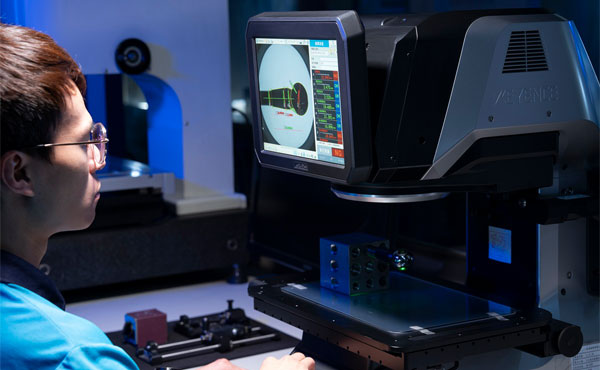
Material records, dimensional reports, first article information, labels, traceability, finish notes, and packing expectations belong in the RFQ discussion.
FEATURED CASE NOTES
These are technical scenarios based on product and process categories—not fabricated customer stories, named projects, or claimed results.
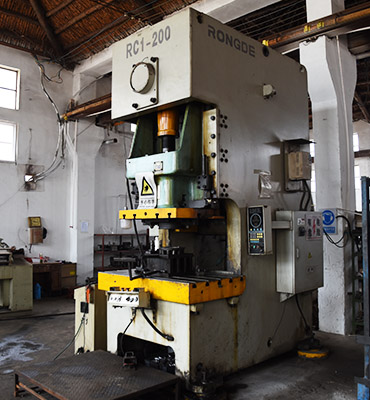
Manufacturing case note
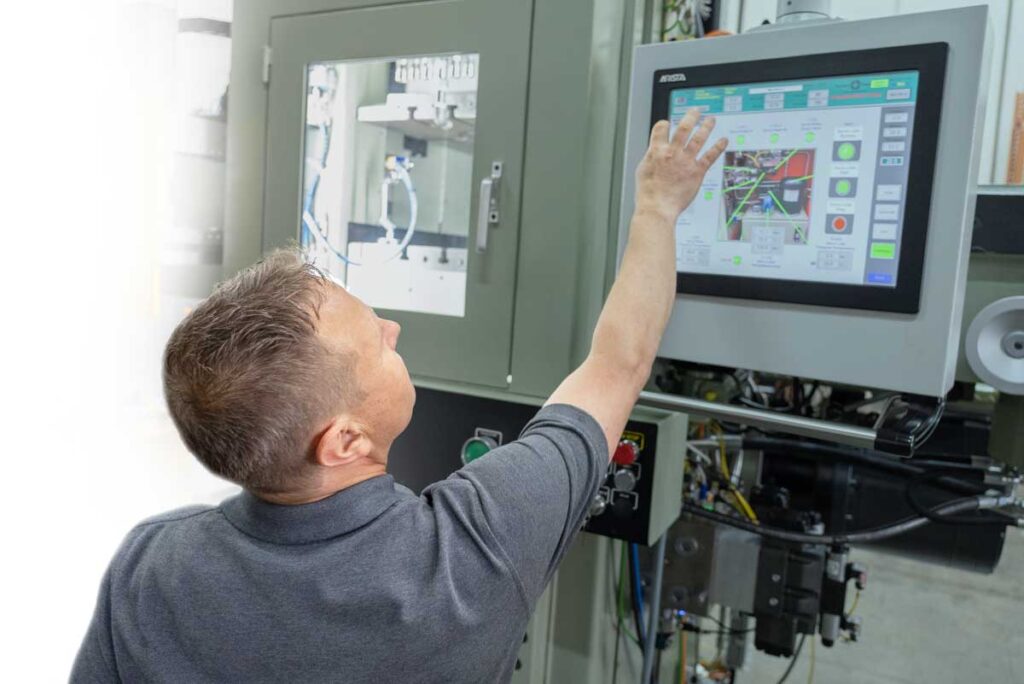
Application brief
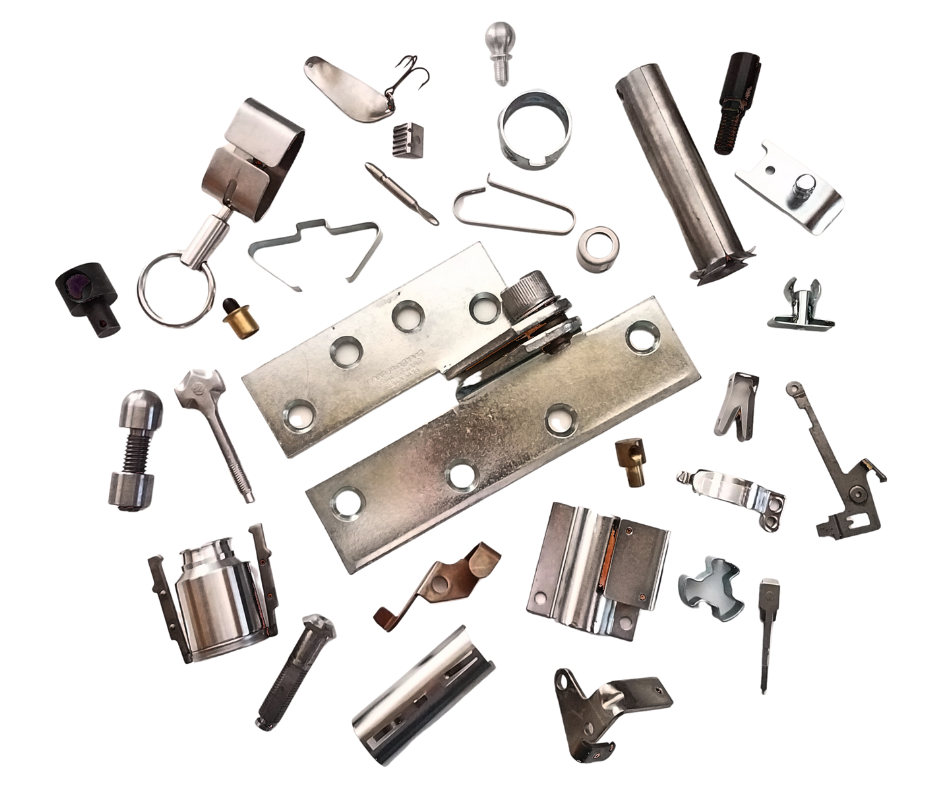
Application brief
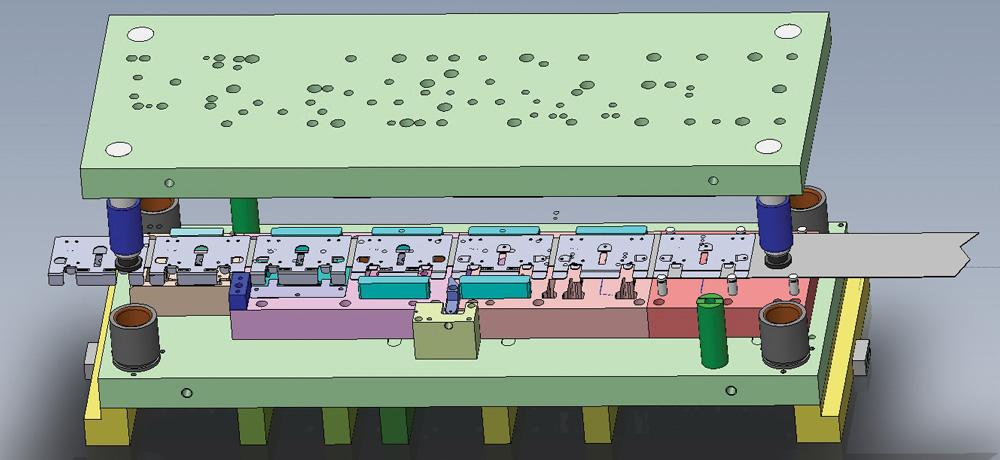
Tooling note
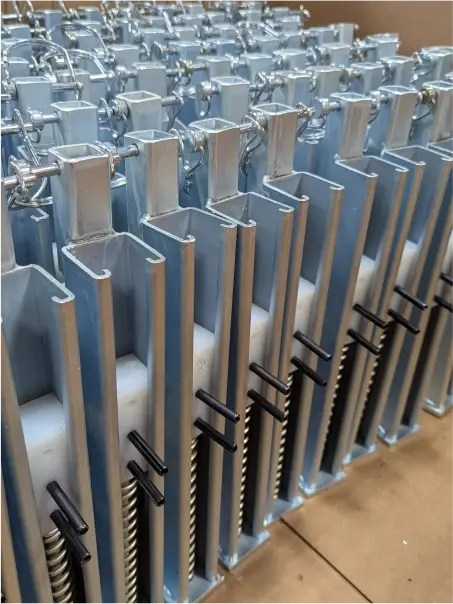
Fabrication brief
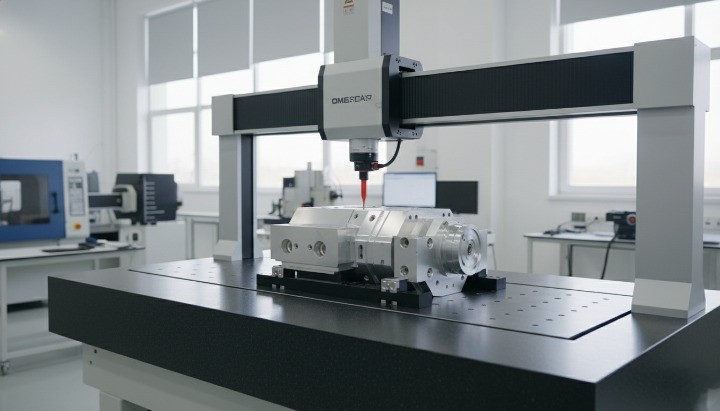
Manufacturing note
WHY CHOOSE STAMPFORGE
The website introduces the specific questions that affect custom OEM manufacturing and keeps the sourcing conversation linked to the customer drawing.
Use the project file and functional requirement to frame a build-to-print or custom development discussion.
Connect stamping, machining, cutting, bending, welding, molding, assembly, finish, and packing when the part requires more than one operation.
Surface the material, geometry, sequence, tooling, interface, inspection, and delivery questions that change the route before assumptions become costly.
Discuss requested records, part condition, labels, counts, protection, and receiving needs alongside the manufactured component.
ABOUT OUR FACTORY APPROACH
A reliable OEM manufacturing website should make it easy to understand what can be manufactured, what type of product category applies, which end-use questions need attention, how a drawing can be reviewed, and where to request a quote. It should not substitute broad visual statements for the facts that matter in a real project.
For that reason, this site avoids unsupported claims about factory scale, certifications, capacities, machine counts, performance results, or named customers. Those details should be confirmed as part of the commercial and engineering discussion for your own program. The website’s role is to create a clearer route from discovery to a qualified RFQ.
Learn about the project approachHAVE A DRAWING OR PROJECT?
Send drawings, specifications, material requirements, quantity, surface finish, target delivery, and any sample-part or assembly information you have. The engineering review can identify a manufacturing solution and quotation path from the available project facts.