CUSTOM METAL PARTS MANUFACTURER IN CHINA · OEM DRAWING-BASED PROJECTS

PROCESSES

Processes: decisions before production.

Use these articles to identify the engineering and sourcing information that should be settled before a process, tool, finish, quality plan, or delivery condition is assumed.

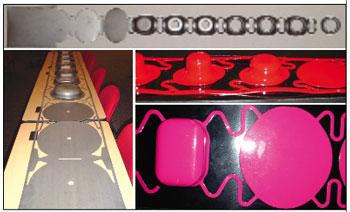
Close-up photograph of progressive die strip showing pilot holes, formed stations, and connected metal carriers
Processes

Progressive Die Stamping Explained for OEM Buyers

Progressive die stamping combines multiple forming operations in one press tool, making it a powerful option for repeatable, high-volume metal parts. This guide helps OEM buyers evaluate feasibility, material flow, tooling economics, quality risks, secondary operations, and supplier readiness before releasing an RFQ or committing to production.

8 min readRead guide
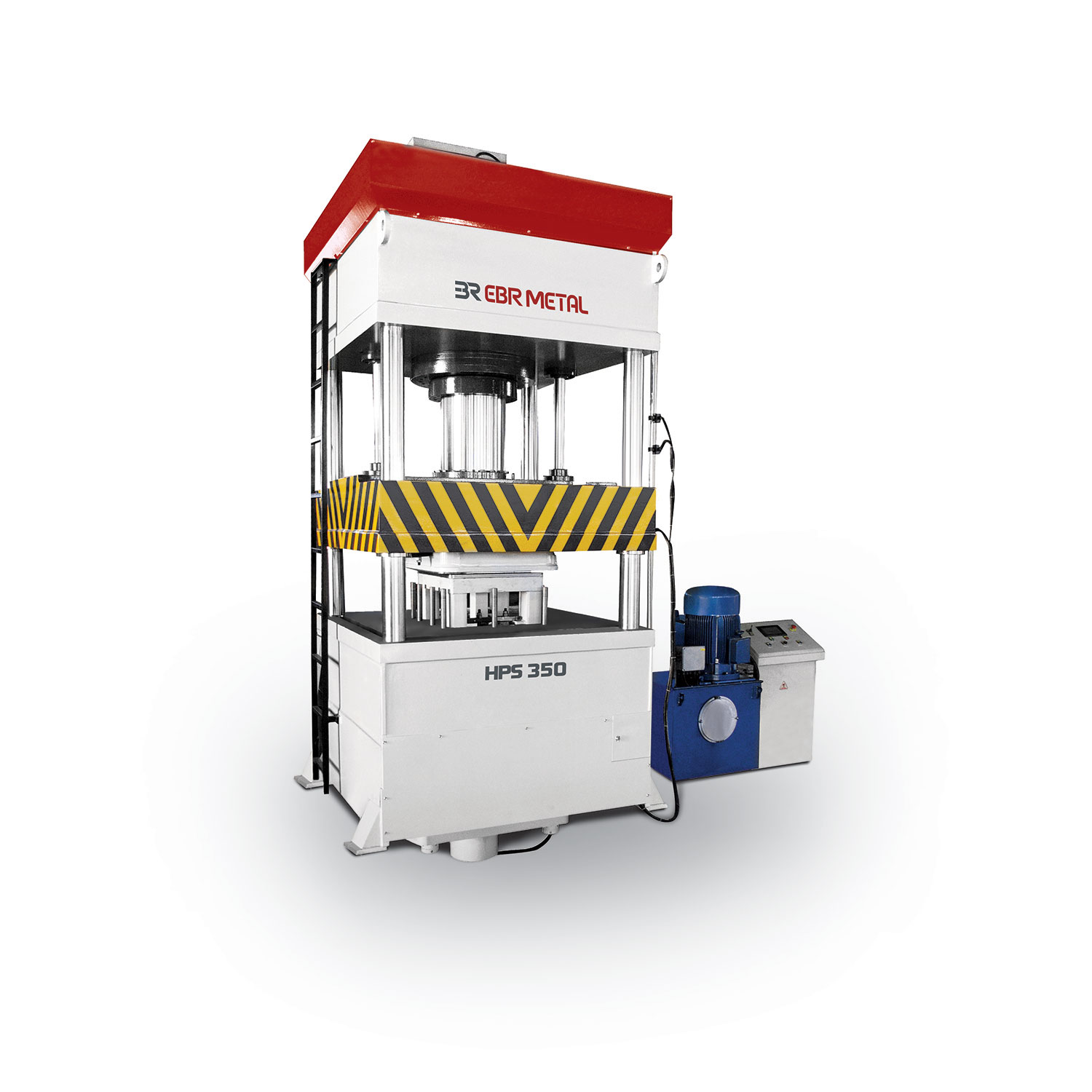
Industrial hydraulic deep-drawing press with upper ram, forming bed, and control panel in a factory
Processes

Deep Draw Metal Forming: Design and Process Guide

Deep drawing can produce strong, repeatable cup-shaped metal parts, but success depends on material behavior, geometry, tooling, lubrication, and inspection planning. This guide explains the process from feasibility review through production, highlights failure modes and cost trade-offs, and gives OEM buyers a practical checklist for comparing suppliers and preparing a robust RFQ.

8 min readRead guide
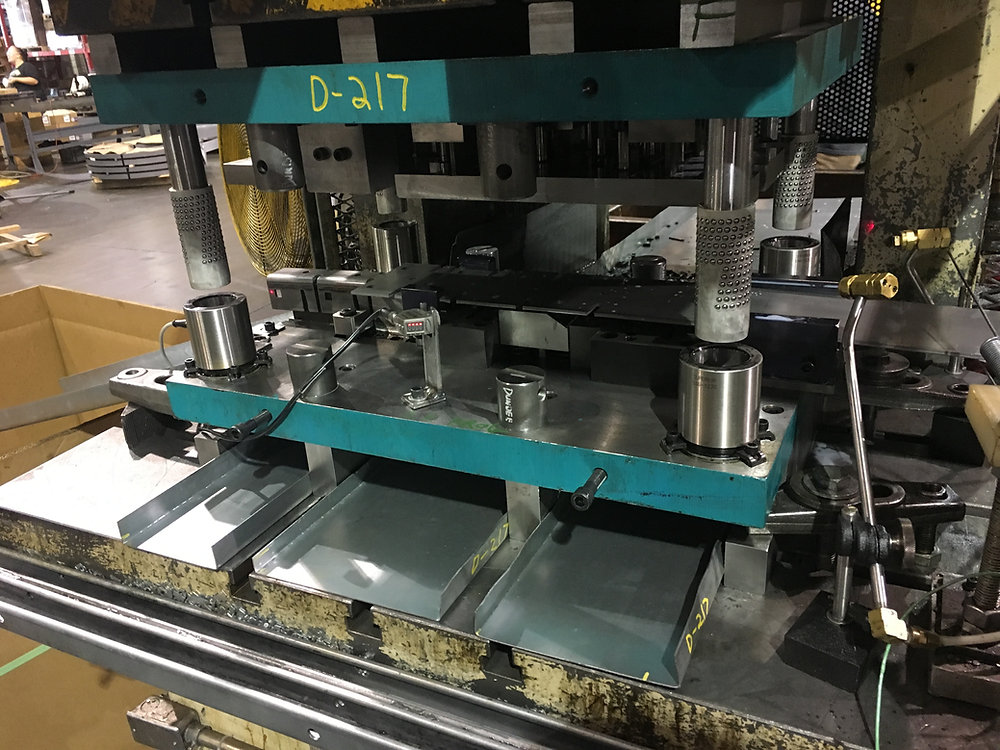
Close-up photograph of a progressive metal stamping die with formed sheet-metal parts and press tooling
Processes

Transfer Die Stamping vs Progressive Die: How to Choose

Transfer and progressive dies can both produce high-volume stamped metal parts, yet their layouts, handling methods, tooling economics, and design limits differ. This guide helps OEM buyers and engineers compare part geometry, material flow, automation, quality risks, launch requirements, and total sourcing cost before selecting a stamping route or writing an RFQ.

8 min readRead guide
Progressive stamping die and formed metal parts undergoing dimensional inspection in a manufacturing quality-control area
Processes

Precision Metal Stamping Tolerances: What Controls the Outcome

Tight stamping tolerances are not selected from a catalog; they emerge from material behavior, tool design, press capability, measurement strategy, and controlled production. This guide helps OEM buyers and engineers translate functional requirements into realistic datum schemes, tolerance bands, inspection plans, and RFQ questions—while avoiding the cost and quality risks of tolerancing every feature unnecessarily.

8 min readRead guide
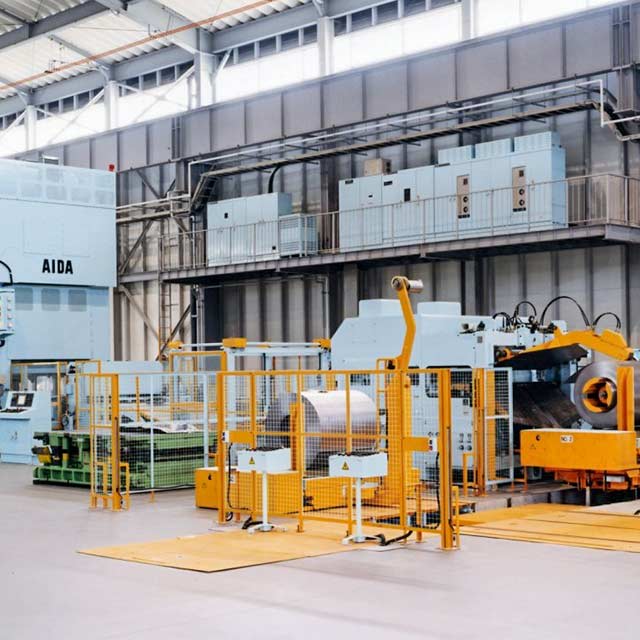
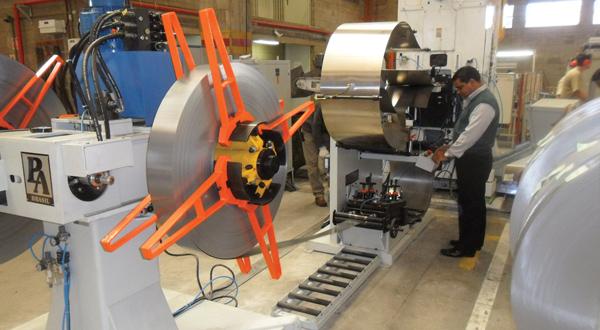
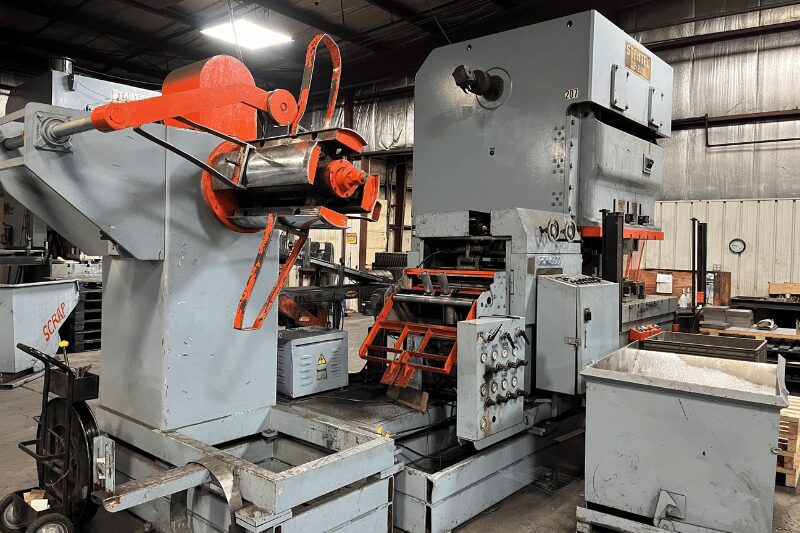
Industrial coil feeder line with press automation equipment arranged inside a manufacturing facility
Processes

Fine Blanking: When and Why to Specify It Over Conventional Stamping

Fine blanking can produce stamped metal parts with unusually smooth cut edges, tight dimensional control, and minimal secondary finishing. This guide helps OEM buyers decide when its tooling investment is justified, how the process differs from conventional stamping, which design details affect risk, and what to include in an RFQ before approving production tooling.

8 min readRead guide
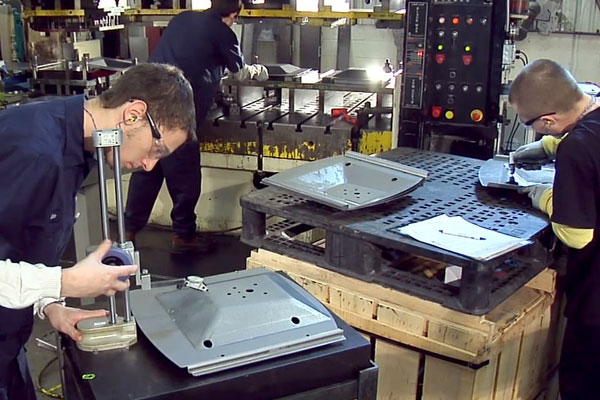
Technician operates an open industrial stamping press with metal tooling inside VPIC Group’s manufacturing facility
Processes

Compound Die Stamping: Process Mechanics and OEM Applications

Compound die stamping completes two or more cutting or forming actions in one press stroke, making it a powerful option for repeatable flat metal parts. This guide explains die architecture, material behavior, quality risks, tooling economics, and the questions OEM teams should resolve before approving a production RFQ or transferring a design to a stamping supplier.

7 min readRead guide